Shipping Cost
Shipping Cost
1. Free Shipping [some exclusions]
2. Free shipping on orders over ₩30,000
Shipping Location
Shipping Location
Shipped from manufacturers located throughout South Korea
Shipping Policy
Shipping Policy
1. Immediate reshipment if the product is lost after dispatch
2. Immediate exchange if the received product is damaged
3. Same-day dispatch (before 12 PM) for next-day receipt
Delivery Company
Delivery Company
CJ Logistics, Logen Express, Korea Post EMS, Lotte Express, etc.
Delivery Scheduled
Delivery Scheduled
1. Purchases made before 12 PM will be received the next day.
2. Purchases made before 2 PM will be received the next day [certain items].
3. Purchases made after 12 PM/2 PM will be received two days later.
Return Policy
Return Policy
1. Returns accepted within 7 days of product receipt
2. Returns accepted within 3 months for products that differ from advertised description
3. Returns accepted within 30 days from the date the discrepancy was discovered
4. Live products are final sale and non-returnable
5. For simple returns, buyer is responsible for round-trip shipping costs
6. For returns due to seller's fault, round-trip shipping is free
Security Policy
Security Policy
Secure payments are made through world-renowned payment companies such as PayPal, Visa, and Mastercard. Your payment information will not be shared with any third parties.
Privacy Policy
Privacy Policy
Your personal information collected for payment and delivery will be securely protected during delivery and discarded after delivery is complete.
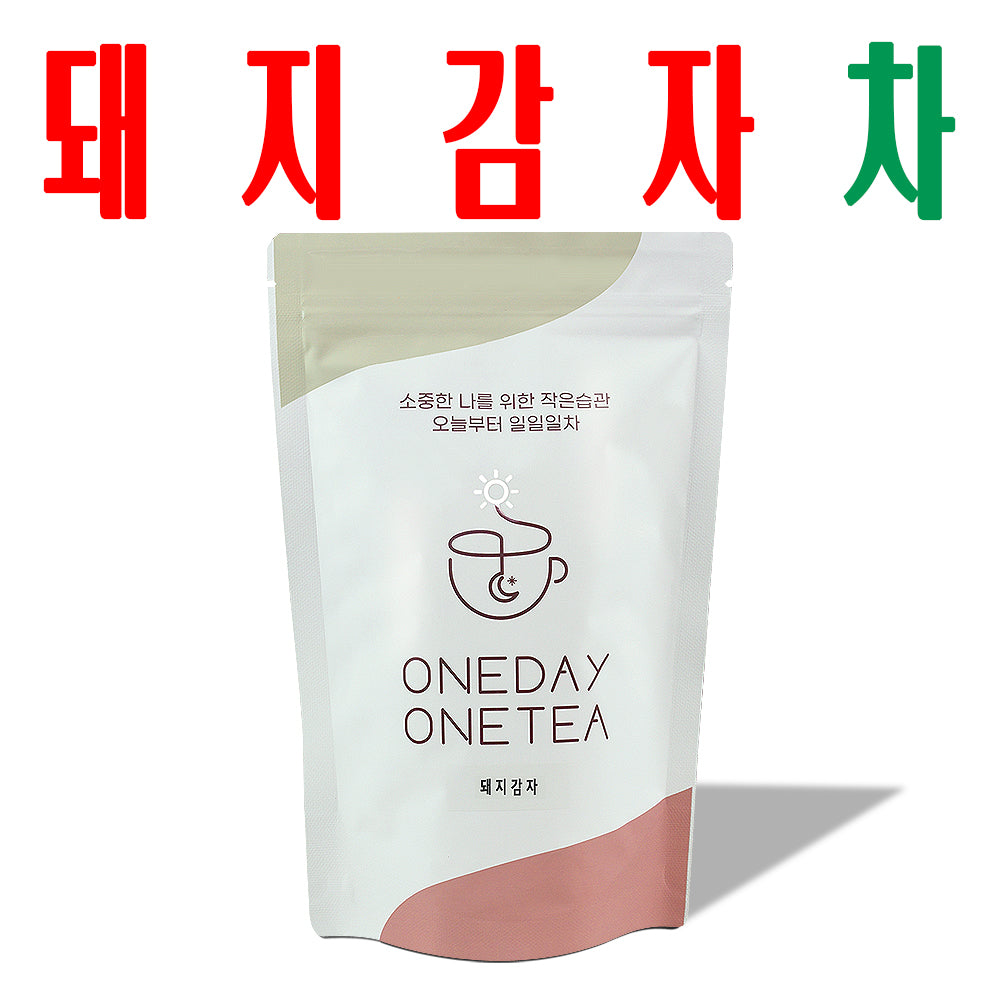
Jerusalem Artichoke Tea / Sunchoke Tea / Jerusalem Artichoke Tea Bags, 30 count
Jerusalem Artichoke Tea / Sunchoke Tea / Jerusalem Artichoke Tea Bags, 30 count
Sunchoke/Jerusalem Artichoke
Sunchoke Tea/Jerusalem Artichoke Tea/Sunchoke Tea Bag/Jerusalem Artichoke Tea Bag

|
||||||||||||||
What is Sunchoke tea?Sunchoke tea is a convenient, single-use tea bag made from sunchokes (Jerusalem artichokes). By steeping the tea bag in hot water for just 1-2 minutes, you can fully enjoy the unique taste and aroma of the sunchoke. Sunchoke tea has a sweet, nutty flavor and a deep, distinct aroma. Since it tastes great served both hot and cold, it is excellent not only as a health tea but also as a beverage of choice. We would like to introduce the sunchoke, the raw material for this tea. SunchokeAnother name for the sunchoke is the Jerusalem artichoke. When eaten raw, sunchokes have a crunchy, crisp texture and a slight sweetness, offering a better mouthfeel than regular potatoes. They look similar to ginger, while their taste and texture are closer to burdock root; the sweetness intensifies when heated. Due to their texture, they are sometimes called earth apples in the West. Sunchokes and potatoes were both introduced to Korea during the Joseon Dynasty, with sunchokes arriving slightly earlier than potatoes. Over the past few centuries, potatoes have been cultivated globally as a major food source, while sunchokes have not. However, interest in sunchokes is now rising rapidly across the world. Today, people around the globe use sunchokes to produce beverages, powders, pills, tea, granules, snacks, and soups. Following this global trend, Korea began showing interest in sunchokes around 2011. They are commercially grown as a specialty crop in places like Yangpyeong County (Gyeonggi-do) and Jinan County and Namwon City (Jeollabuk-do), with Donghyang-myeon in Jinan County being the largest production area. Although sunchokes have not been in Korea for a very long time, the Korean peninsula's climate is well-suited for their growth, and wild sunchokes can be found throughout the country. When seed sunchokes are planted around March to May, yellow flowers resembling sunflowers or chrysanthemums bloom between August and October, and the tubers grow in the fall. The picture below shows sunchoke flowers. The harvest period for sunchoke tubers is from around November, when frost causes the stalks to dry, until March of the following year. Because sunchokes have thin skins, they dry out easily and their interior becomes pithy, making it difficult to keep them fresh in the refrigerator for more than a few months. Wrapping them in paper while still covered in soil can help maintain their freshness for a bit longer. A great way to enjoy fresh sunchokes is to dig up only what you need for the winter in early winter and leave the rest in the ground to harvest in March of the following year, as sunchokes in the ground do not freeze easily during the winter. |
||||||||||||||

|
||||||||||||||
Sweet Potato, Potato, and SunchokeThe original home of the sweet potato is Central/South America, the potato is South America, and the sunchoke is North America. After Columbus first set foot on the American continent in 1492, all three plants arrived on our land via Europe from the Americas. Therefore, their names have not been around for a very long time. They were introduced to Korea in the following order: sweet potatoes in 1763, sunchokes estimated in the 1700s, and potatoes last, in 1824-25. What we call sweet potatoes today were known in Japan as gogwiwima(古貴為麻). When they first arrived in Korea, people did not use the Japanese name but called them gamjeo(甘藷=sweet gam, potato jeo). The modern Korean word for potato, gamja, originated from this Hanja term gamjeo. About 60 years after gogwiwima arrived in Korea, the plant we know as the potato (the actual gamjeo) arrived. After the true potato arrived, gogwiwima (the Japanese name) began to be called gogeuma, which later changed to goguma (sweet potato). Gamjeo eventually changed its pronunciation to become today's gamja (potato). During the first 60 years after sweet potatoes and potatoes arrived on the Korean peninsula, our ancestors called sweet potatoes "gamja." Because potatoes are harvested around the summer solstice (Haji), they are also called Haji-gamja. When the sunchoke arrived in our land, our ancestors called it guk-u(菊芋=chrysanthemum guk, taro u) because the flowers resembled chrysanthemums and the roots resembled taro. Later, when potatoes arrived, people began to call them dwaeji-gamja ("pig potato") because pigs could eat the roots dug directly from the soil without getting sick, and the taste was similar to a potato. In the 18th century, when sunchokes first arrived, Westerners were using them as feed for pigs, sheep, and cows. In North Korea, they are called ttuk-gamja. The fact that they were often planted on the ridges (ttuk) between fields rather than in the field furrows shows that our ancestors did not view them as a highly significant crop. In the photo below, you can compare cooked potatoes and sunchokes. The appearance of a sunchoke is bumpy, much like ginger. Their skin colors vary, including pale yellow, brown, purple, and red. |
||||||||||||||

|
||||||||||||||
Origin and History of the SunchokeBotanically, the sunchoke is a perennial plant in the sunflower genus. Its original home is the central temperate region of North America, extending from Mexico to the southern United States. North American Indians were cultivating sunchokes before Europeans arrived in North America. In 1605, the French explorer Samuel de Champlain witnessed Indians cultivating sunchokes in Massachusetts and introduced them to Europe, which was the first time their existence was known to Europeans. Among European countries, France is one of the largest consumers of sunchokes, and they once gained popularity among the French public after their introduction. Sunchokes enjoyed brief popularity in the early 1600s when they were first introduced to Europe, again in the early 1800s, and during World War II due to food shortages, but they were generally used more as animal feed. When sunchokes were first introduced to England, they were praised as a "Queen's delicacy" due to their taste, but later they were deemed more suitable as livestock feed. Germans use over 90% of their sunchoke production to make sunchoke spirits. A sunchoke liquor called "Topi" is famous in Germany, and it is consumed after meals or for health purposes. It is uncertain when or through what route sunchokes arrived in Korea, but it is estimated to be in the 1700s, more than 100 years after they were introduced to Europe. Why Sunchokes Are Famous When sunchokes were first introduced to Europe, they were explosively popular among Europeans due to their crunchy, sweet taste and amazing reproductive power. However, because eating sunchoke dishes caused bloating and gas, people began to prefer potatoes, which were easier on the stomach. Less than 30 years after their introduction to Europe, sunchokes fell into disfavor. Thereafter, they were used as an emergency food during times of famine or as animal feed. Why, then, has the sunchoke suddenly garnered global attention over the past 20-30 years? The reason is that health-conscious people began to take interest in their inulin content. It is only natural that people pursuing wellness would take an interest in sunchokes, which are rich in inulin. Inulin is a substance that is not digested in our bodies. In eras when food was scarce, foods that were easily digestible and high in calories were prioritized. However, in an era of food abundance, the exact opposite is being prioritized. Sunchokes were disregarded for centuries because of the "indigestible" inulin, but now, because of that very same inulin, a 'Sunchoke Renaissance' is unfolding before our eyes. Composition of SunchokesBelow is the proximate composition table of sunchokes published by the USDA. In the table below, "dry basis" means the content ratio of general components excluding moisture. |
||||||||||||||
|
||||||||||||||
|
Sunchokes contain the highest amount of carbohydrates, while protein and ash are also present in significant quantities. The most distinctive characteristic of sunchoke composition is that most of the carbohydrates consist of fructose and inulin. You can taste the sweetness when you slice and chew a sunchoke due to the fructose it contains. Here are some of the key, special, and trace components of sunchokes.
How to Use SunchokesSunchokes can be used in a variety of ways: eaten raw, mixed with honey in fresh juice, added to soups, ground and added to dough for sujebi (hand-pulled dough soup), pickled, braised with meat, deep-fried, coated in batter and fried, dried and ground into powder for pancake mix, roasted for tea, or fermented to make makgeolli. When eating sunchokes raw, it is recommended to eat them with the skin on; when cooking, coating them in batter before frying can help minimize nutritional loss. |
| 1). | The raw material for our Jerusalem artichoke tea is supplied by the Korea Herbal Medicine Association. |
| 2). | It is a pure tea with no preservatives, artificial colors, or flavorings added. |
| 3). | The tea bag containing the tea leaves is made of eco-friendly fiber that is biodegradable and compostable. |
| 4). | The tea bag containing the tea leaves has received European certification as a food-contact material safe for human health. |
| 5). | The tea bag has a long handle string so it can be steeped in bottles or tumblers. |
| 6). | The packaging is an aluminum zipper bag, which is moisture-resistant and preserves flavor and aroma for a long time. |
| 7). | This tea has a sweet and savory taste with a great aroma, making it a perfect health tea and pleasure tea. |
| Intro |
The supplier of this product is Onyudam (CEOs: Yoon Sung-hyun, Jo Su-in), and the manufacturer is Hapcheon Herbal Processing Farming Association Corp. (CEO: Baek Moon-ki). After running a health herb farm with his parents for over 20 years, CEO Baek established the Hapcheon Herbal Processing Farming Association Corp. in 1996, set up a processing plant the following year, received the $500,000 Export Tower Award in 2003, and served as the 17th-18th Chairman of the Korea Herbal Medicine Association. The Hapcheon Herbal Processing Farming Association Corp., located in Hapcheon-eup, Hapcheon-gun, cultivates and uses about 60 types of health plants as raw materials for health teas, including chrysanthemum, hydrangea, mulberry, persimmon, peony, achyranthes, safflower, motherwort, schisandra, matrimony vine, cornus, milk vetch root, green tea, tara vine, and bellflower root. The association sells its products through domestic and international channels and also supplies products to other companies via OEM manufacturing. The Hapcheon Herbal Processing Farming Association Corp. received the Minister of Agriculture and Forestry Award in 2002, registered the trademark 'Sangrime' in 2007, obtained ISO 22000 international food safety certification in 2015, was registered as a venture company in the same year, patented a manufacturing method for bellflower root tea in 2017, received HACCP (Hazard Analysis and Critical Control Points) certification (No. 2018-2-9156) from the Ministry of Food and Drug Safety in 2018, and obtained organic certification (No. 17100199) for chrysanthemum crops in 2019, solidifying its status as a strong small business. A brief introduction to the Hapcheon Herbal Processing Farming Association Corp. is provided below. |
|---|---|
| Name | Hapcheon Herbal Processing Farming Association Corp. (CEO: Baek Moon-ki) |
| Address | 16 Naegok-gil, Hapcheon-eup, Hapcheon-gun, Gyeongnam |

|
|
| 010-3352-7949 |
| 1). | Place the tea bag in hot water and let it steep for 2-3 minutes. |
| 2). | You can drink it at any time before or after meals, but it is better on an empty stomach. |
| 3). | With its mild taste, you can enjoy the unique flavor and aroma of Jerusalem artichoke whether served hot or cold. |
| 4). | Store in a cool, dry place away from direct sunlight. |
| Ingredients | Jerusalem artichoke |
|---|---|
| Origin | South Korea |
| Content | Jerusalem artichoke 100% |
| Nutrition | Not legally applicable |
| Sales Unit | Bag (contains 30 tea bags inside a polyethylene pouch) |
|---|---|
| Total Content | 30g (1g x 30 tea bags) |
| Consumption Period | It depends on the individual usage, so it is difficult to estimate the consumption period for one bag. |
| Packaging Material | Tea bag: Biodegradable fiber Plastic bag: Polyethylene |
| Packaging Size | 15cm wide x 23cm high x 6.5cm thick |
| Food Type | Tea (Single-ingredient infusion tea) |
|---|---|
| Manufacturing Date | Manufacturing date cannot be determined as products are shipped from the supplier's cold storage; please call 02-967-8133 to verify. |
| Shelf Life | Marked on the outer package. Products with less than 1 month of shelf life remaining from the shipping date will not be sent. Please call 02-967-8133 to verify shelf life. |
| Not legally applicable. |
| Not legally applicable. |
| Not legally applicable. |
| Payment Info |
1). For bank transfer payments, please make the deposit via PC banking, internet banking, phone banking, or a bank branch. - The name of the depositor must match the name entered during the order; orders not paid within 3 days will be automatically canceled. 2). For card or easy payments, the system processes the payment immediately, so no further action is required. |
|---|---|
| Delivery Info |
1). Method: Courier 2). Area: Nationwide 3). Delivery Fee: Generally free, but some fees may apply. 4). Delivery Period: 1-3 days: - Orders placed before 3 PM will arrive the next day, and those placed after 3 PM will arrive the day after next. 5). Notes :- Additional shipping fees may apply for island regions. - For bank transfers, shipping will proceed after payment confirmation. - Delivery may be slightly delayed during holidays or special courier circumstances. |
| Exchange/Return |
1). Conditions for Exchange and Return
- Exchanges/returns are possible within 7 days of receiving the product. - If the delivered product differs from the displayed/advertised content, within 3 months of receipt or 30 days from becoming aware of the fact. 2). Non-exchangeable/non-returnable cases (in accordance with restrictions on withdrawal of subscription under the Electronic Commerce Act):- If the product is lost or damaged due to customer fault. (Excludes cases where packaging is damaged only to verify contents.) - If the packaging is opened or damaged, resulting in a loss of value. - If the product value has significantly decreased due to customer use or partial consumption. - If the product value has decreased to such an extent that resale is difficult over time. - If packaging of copyable products is damaged. 3). Warranty conditions and quality assurance standards for exchanges and returns follow the "Framework Act on Consumers."4). Notes: - Customers are responsible for shipping costs for exchanges or returns due to a change of mind. |
| Compensation/ Complaint/ Dispute Resolution |
Fair Trade Commission Consumer Dispute Resolution Standards |
| Terms of Service | Terms of Service (https://bit.ly/3qDTO1Q) |
Shipping Cost
Shipping Cost
1. Free Shipping [some exclusions]
2. Free shipping on orders over ₩30,000
Shipping Location
Shipping Location
Shipped from manufacturers located throughout South Korea
Shipping Policy
Shipping Policy
1. Immediate reshipment if the product is lost after dispatch
2. Immediate exchange if the received product is damaged
3. Same-day dispatch (before 12 PM) for next-day receipt
Delivery Company
Delivery Company
CJ Logistics, Logen Express, Korea Post EMS, Lotte Express, etc.
Delivery Scheduled
Delivery Scheduled
1. Purchases made before 12 PM will be received the next day.
2. Purchases made before 2 PM will be received the next day [certain items].
3. Purchases made after 12 PM/2 PM will be received two days later.
Return Policy
Return Policy
1. Returns accepted within 7 days of product receipt
2. Returns accepted within 3 months for products that differ from advertised description
3. Returns accepted within 30 days from the date the discrepancy was discovered
4. Live products are final sale and non-returnable
5. For simple returns, buyer is responsible for round-trip shipping costs
6. For returns due to seller's fault, round-trip shipping is free
Security Policy
Security Policy
Secure payments are made through world-renowned payment companies such as PayPal, Visa, and Mastercard. Your payment information will not be shared with any third parties.
Privacy Policy
Privacy Policy
Your personal information collected for payment and delivery will be securely protected during delivery and discarded after delivery is complete.